
Disclosure: This article may contain affiliate links. If you purchase through one of these links, we may earn a commission at no additional cost to you.
Introduction
If you’ve been searching for a way to build furniture, storage, or outdoor projects without starting from a blank sheet of paper, you’ve probably come across TedsWoodworking. It’s one of the largest digital woodworking plan libraries out there, and it’s been around long enough to build a real reputation among hobbyists and DIYers.
In this review, we’ll walk through what’s actually inside the plan library, how the projects are organized, and how well the instructions hold up at the workbench. We’ll also cover pricing, bonuses, and who’s likely to get the most value out of it, so you can decide whether it’s the right fit for your next build.
What Is TedsWoodworking?
TedsWoodworking is a digital collection of downloadable woodworking plans, covering a wide range of project types, from indoor furniture to outdoor builds and shop equipment. Rather than a single project guide, it’s structured as a large library, so members can browse and pick projects that match their skill level, tools, and available space.
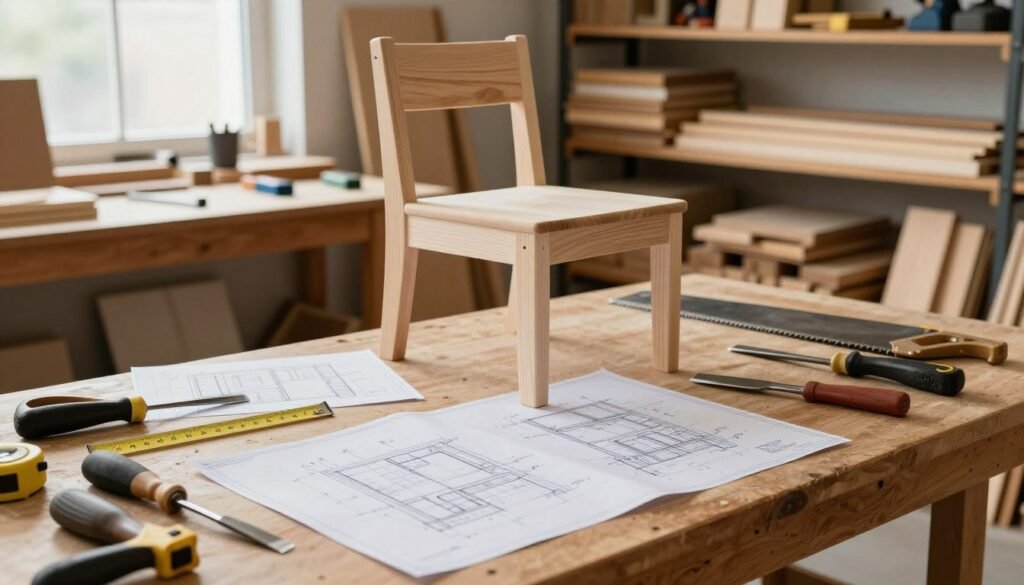
Each plan is meant to include the essentials: a finished design, a materials list, measurements, and step-by-step building instructions. Because it’s a digital product, there’s no physical shipment involved; instead, buyers typically get access to download or print the files they need.
See the current TedsWoodworking plan library and pricing here.
How Is TedsWoodworking Organized?
The plan library spans several broad categories, generally including:
- Indoor furniture (tables, beds, chairs, shelving, and storage pieces)
- Cabinets for kitchens, offices, garages, and living spaces
- Home improvement projects, such as trim work and built-in units
- Outdoor builds, including benches, planters, picnic tables, sheds, and raised beds
- Shop projects, like workbenches, tool storage, and racks
Within that structure, plans are generally labeled by project type and, to varying degrees, by skill level. That labeling matters, since a large library is only as useful as your ability to quickly find a project that actually matches your experience and tool set. Beginners tend to do best sticking to smaller, simpler builds first, while more experienced woodworkers may want to browse the more advanced designs involving angled cuts, dados, or mortise-and-tenon joinery.
Project Variety: What’s Actually Inside
One of TedsWoodworking’s biggest selling points is sheer variety. Here’s a closer look at what each major category tends to include.
Furniture, Cabinets, and Home Improvement
The furniture selection covers tables, beds, chairs, shelves, and various storage pieces, most of which are designed to be built with basic home-shop tools. These projects are a solid way to practice core skills like measuring, drilling, sanding, and joining boards.
Cabinet plans are aimed at functional storage for kitchens, offices, garages, and living spaces. Because cabinets depend heavily on precise measurements, even small errors here can throw off door alignment, drawer fit, or shelf spacing so these tend to reward woodworkers who are comfortable double-checking their numbers.
Home improvement plans round things out with smaller-scale projects like trim work, wall storage, and built-in units, which can add practical value around the house without requiring a full furniture build.
Outdoor and Shop Projects
Outdoor plans include benches, planters, picnic tables, sheds, and raised garden beds. Since these pieces are exposed to the elements, they typically call for moisture-resistant wood choices and exterior-grade finishes, which is worth factoring into your materials budget.
Shop projects, meanwhile, focus on workbenches, tool storage, racks, and other fixtures designed to improve day-to-day workflow. Building a solid bench or an organized storage system early on can make later, bigger projects safer and more efficient.
Beginner vs. Advanced Builds
Some projects are intentionally simple, using straight cuts, basic fasteners, and common lumber sizes a good entry point for anyone still learning how parts fit together. Others are considerably more demanding, involving angled cuts, dados, mortises, large panel glue-ups, or specialty hardware that may call for a table saw, router, planer, or clamps beyond the basics.
Because of that spread, it’s worth remembering that variety alone doesn’t guarantee consistency. The most useful plans are the ones with clear drawings, complete measurements, sensible tool lists, and a stated difficulty level that actually matches the work involved.
Ready to see the full range of available plans? Check the current project library on the official TedsWoodworking site.
Plan Quality, Measurements, and Ease of Use
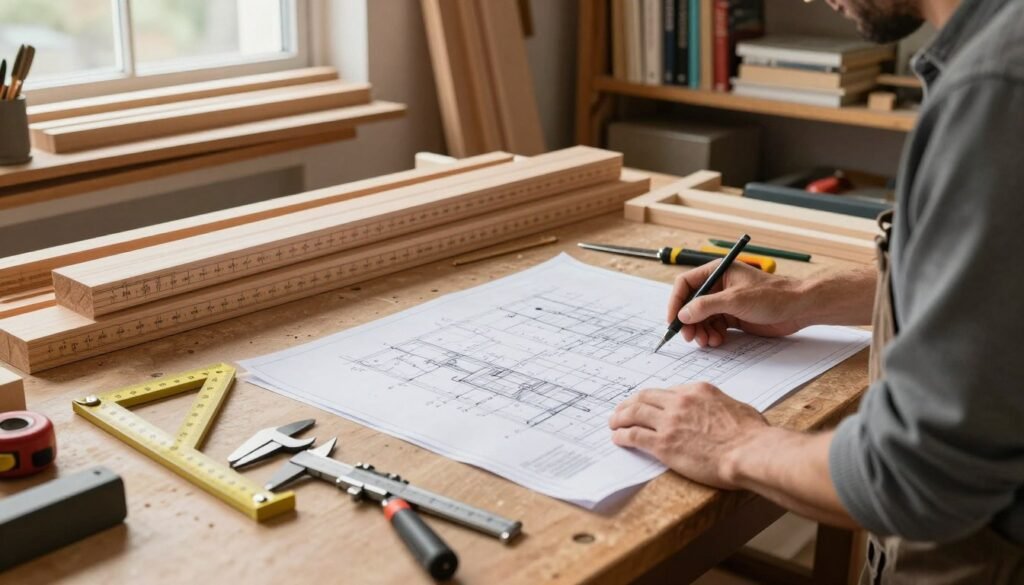
Plan quality tends to come down to a few consistent factors: clean layouts, clearly labeled parts, and steps presented in a logical build order. Accurate measurements matter at every stage, and material thickness in particular can make or break how well parts fit together.
Cutting diagrams are another key detail. When they line up clearly with the parts list, cutting becomes noticeably easier and material waste goes down. Strong instructions also go beyond a simple checklist they walk through layout, drilling, and assembly in a sequence that helps avoid common mistakes, and better plans will note details like grain direction or fastener placement.
That said, plan quality within a large library can vary somewhat from project to project. It’s worth reviewing a plan in full before committing to materials, just to confirm it includes the level of detail you’ll need.
Tools, Materials, and Skill Requirements
Most projects in the library can be tackled with a fairly standard home-shop toolkit: a tape measure, square, drill, clamps, a saw, sandpaper, glue, and basic fasteners. A circular saw can handle many cuts, though a table saw will generally be faster and more precise for repetitive work.
More detailed builds may call for additional tools, such as a router, brad nailer, or specific finishing supplies. Depending on your comfort level, these extras can either speed up a project considerably or add a learning curve if you’re using them for the first time. Matching the project’s tool requirements to what you already own or are willing to invest in is a useful filter when browsing the library.
TedsWoodworking Pricing, Bonuses, and Value
Pricing for TedsWoodworking, like most digital plan libraries, is subject to change, so it’s worth confirming the current offer directly on the official sales page rather than relying on older figures. When evaluating the price, a few factors are worth checking:
| Cost Factor | What to Check | Why It Matters |
|---|---|---|
| Listed purchase price | Current amount and payment terms | Reflects the real cost at time of purchase |
| Plan library size | Number and range of usable designs | Helps compare value against buying single plans |
| Bonuses | Content, access, and relevance to your goals | Determines whether extras add real practical value |
| Digital delivery | Download method and file access | Avoids confusion after payment |
| Refund terms | Time limit and stated conditions | Clarifies your options if the fit isn’t right |
| Ongoing access | Lifetime, limited, or account-based | Shows how long the resource stays useful |
In general, a large plan library tends to work out cheaper than buying individual plans one at a time but only if you’re actually planning to build more than a project or two. Bonuses are worth a closer look as well; an extra is only genuinely useful if it lines up with your tools, skill level, and the type of projects you’re actually interested in.
See today’s TedsWoodworking pricing and what’s included.
Pros and Cons
Pros
- A broad mix of furniture, cabinet, outdoor, and shop project plans in one library
- Quick digital access after purchase, with no shipping wait
- Options spanning multiple skill levels, from simple builds to advanced joinery
- Strong long-term value for anyone planning multiple projects over time
Cons
- The sheer size of the library can feel overwhelming when trying to pick a starting project
- Plan detail and clarity can vary somewhat from project to project
- Measurements still need to be double-checked before cutting, since small lumber variations can affect fit
- Less cost-effective for someone who only needs a single, specific plan
Who Should Consider TedsWoodworking?
| Reader Type | Possible Value | What to Check First |
|---|---|---|
| Active hobbyist | Strong value from many project options | Storage space, tools, and long-term project goals |
| New woodworker | Helpful source for guided practice | Skill level, diagram clarity, and basic safety needs |
| Casual buyer | Limited value if only one plan is needed | Price of a single focused plan or free tutorial instead |
| Experienced builder | Useful for ideas and project variety | Measurement accuracy and depth of each specific plan |
In short, the library tends to make the most sense for people who plan to build more than once. If you’re only after a single project, a focused single-plan purchase or a free tutorial might be the more cost-effective route.
Is TedsWoodworking Worth It?
Whether TedsWoodworking is worth the cost really comes down to how you intend to use it. For hobbyists with an ongoing list of projects furniture one month, an outdoor bench the next the breadth of the library can offer strong long-term value compared to buying plans individually. New woodworkers can also get real use out of it, as long as they start with simpler builds and take the time to review each plan fully before gathering materials.
On the other hand, if you have one specific project in mind and no plans to build again anytime soon, a smaller, more targeted resource might serve you better than a full library subscription.
Final Verdict
TedsWoodworking offers a genuinely large and varied collection of woodworking plans, covering furniture, cabinets, outdoor builds, and shop projects across a range of skill levels. It’s not going to replace hands-on experience or careful measuring, and plan detail can vary from project to project but as a long term resource for hobbyists and DIYers who plan to build repeatedly, it holds up well.
Before buying, it’s worth confirming the current price, file formats, delivery method, and refund policy directly on the official page.
Visit the official TedsWoodworking site to browse the full plan library and current pricing.
Frequently Asked Questions
What is TedsWoodworking?
TedsWoodworking is a digital library of woodworking plans covering furniture, cabinets, outdoor builds, and shop projects, intended for woodworkers at various skill levels.
Who may benefit from TedsWoodworking?
It’s generally suited to beginners looking for guided practice, hobbyists working on multiple projects, and experienced builders looking for fresh project ideas.
What types of woodworking projects are included?
The library spans furniture, cabinets, home improvement projects, outdoor builds, and shop equipment. Browsing the categories directly is the best way to see what matches your interests.
Are TedsWoodworking plans suitable for beginners?
Some plans are designed with simpler builds in mind, but it’s still worth checking the required tools and skills for any specific project before starting.
How clear are the instructions and cutting diagrams?
Plan quality can vary somewhat across the library. Look for clear step-by-step instructions and cutting diagrams that match the parts list, and double-check measurements before cutting any material.
Can I print or save the woodworking plans?
Plans are delivered digitally, so it’s worth confirming the file format and whether saving or printing is straightforward on your devices before buying.
What tools and materials might I need?
This depends heavily on the project. Simpler builds typically need only basic tools, while more advanced designs may call for a table saw, router, or other specialty equipment.
How much does TedsWoodworking cost?
Pricing can change over time, so the most reliable way to see the current cost and any active offers is to check the official sales page directly.
Is TedsWoodworking worth the cost?
For woodworkers planning multiple projects over time, many find the library a good value compared to buying individual plans. For a single specific project, a smaller resource may be more cost-effective.
Does TedsWoodworking replace woodworking experience?
No. The plans provide guidance and structure, but safe tool use, accurate measuring, and hands-on skill still come from the woodworker.